
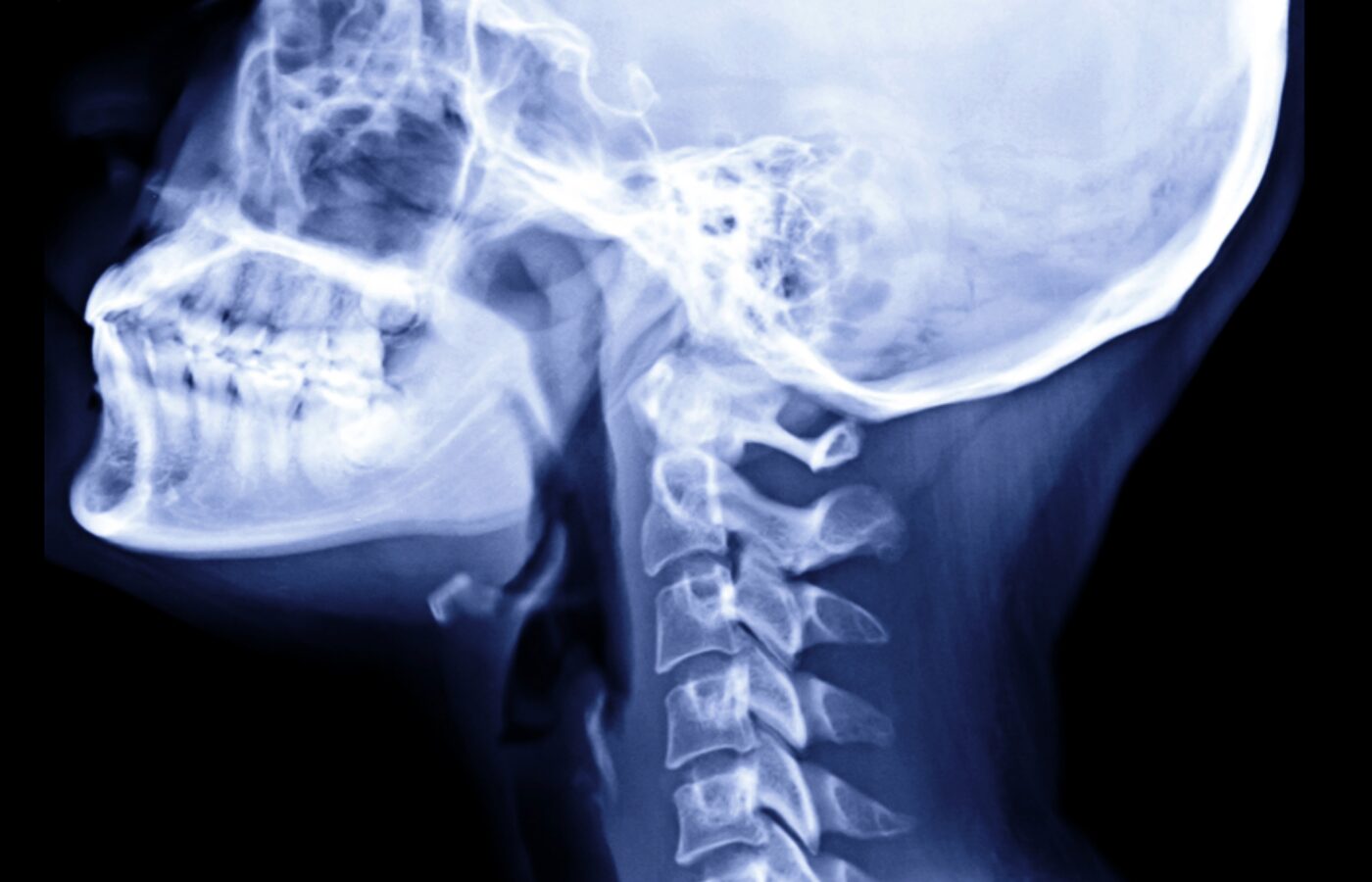
Dr. Noha Oushy is more than just an integrative dentist, she is an Airway Dentist. At Santa Teresa Smiles, we focus on healthy airways, efficient breathing, restful sleep, and whole-body well-being. One of the most important health habits many people overlook is how they breathe: through the mouth or through the nose. This simple difference affects oral health, sleep quality, facial development, and even long-term overall health.
Mouth Breathing vs. Nasal Breathing
Breathing happens automatically, but the way you breathe matters. Nasal breathing is the body’s preferred pathway. Your nose is designed specifically for breathing. It:
- Filters dust, allergens, and bacteria
- Warms and humidifies the air
- Produces nitric oxide, which improves oxygen absorption
Nasal breathing supports stable airflow, higher oxygen efficiency, and a healthier airway during both daytime and sleep.
Mouth breathing however bypasses the benefits of the nose. Chronic mouth breathing can:
- Increase the risk of dry mouth, cavities, and gum disease
- Contribute to narrow arches, crowded teeth, and altered facial growth in children
- Increase airway collapsibility during sleep
This is why mouth breathing is closely connected to issues like snoring and obstructive sleep apnea.
Why This Matters for Dental and Overall Health
Airway health and dental health are closely linked. When the mouth is open during breathing, saliva evaporates and the mouth becomes more acidic. Harmful bacteria thrive in this environment and can lead to more frequent cavities and gum problems.
Chronic mouth breathing is also associated with:
- Poor sleep quality
- Low daytime energy
- Sleep-disordered breathing
- Underdeveloped jaw structures in children
- Lower oxygen efficiency
These issues are often overlooked because people assume breathing habits do not affect dental health, but the connection is strong and well documented.
What an Airway Dentist Does
An airway dentist evaluates how the structures of the mouth, tongue, jaw, and nasal passages influence breathing. At Santa Teresa Smiles, this includes:
- Airway and breath assessments
- Evaluation of jaw position and palate width
- Identifying signs of mouth breathing or sleep-related breathing disorders
- Planning care that supports proper nasal breathing
This approach benefits sleep, growth, oral health, and long-term quality of life.
Dr. Noha Oushy’s Advanced Airway Training
Dr. Noha Oushy is certified through The Breathe Institute, an internationally recognized leader in airway-focused dental education. This training incorporates the work and guidance of Dr. Soroush Zaghi, a leading voice in sleep and airway research.
This certification ensures that every airway evaluation at Santa Teresa Smiles is guided by the most up-to-date, evidence-based science. Dr. Oushy blends advanced airway knowledge with dental care to help patients breathe better, sleep better, and live healthier.
Can Breathing Habits Be Improved?
In many cases, yes. Breathing patterns can often be retrained or improved with:
- Myofunctional therapy
- Oral appliance therapy
- Targeted habit correction
- Evaluation of airway structure
- Collaborative care with ENT specialists when needed
Small adjustments can create significant improvements in quality of life.
When to Schedule an Airway Evaluation
If you or your child experiences any of the following, it may be time for an airway screening:
- Chronic mouth breathing
- Snoring
- Waking with dry mouth
- Crowded teeth or narrow jaws
- Restless sleep
- Daytime fatigue
Early identification makes a dramatic difference, especially for children whose facial structures are still developing.
CONTACT US